

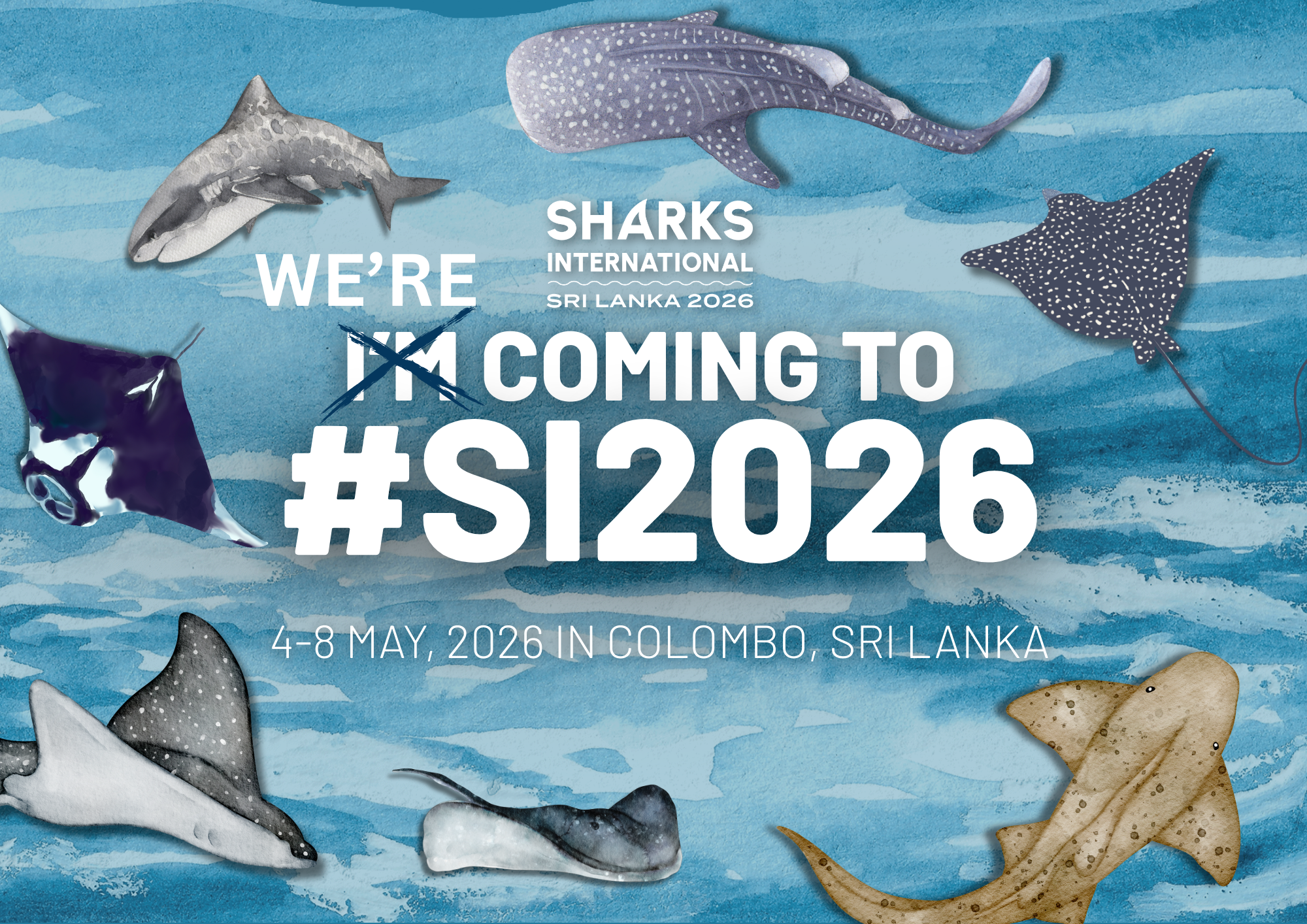
We’re coming to Sharks International this year!
Every four years, the global shark research community comes together for one of the most important gatherings in marine science: Sharks International.
In 2026, that gathering takes place in Colombo, Sri Lanka, bringing together scientists, conservationists, and policymakers working to better understand and protect shark and ray populations worldwide.
This year, The Salty Lab will be there.
And we’re bringing a story that starts much closer to home.
What We’ll Be Sharing
We’ll be presenting research on how urbanization is shaping juvenile bonnethead shark health and what that reveals about the condition of the nursery habitats they depend on.
Bonnethead sharks spend their early lives in shallow estuaries, particularly in seagrass-rich environments where water clarity, habitat structure, and prey availability all play a role in survival.
These aren’t just places sharks pass through.
They’re where life begins.
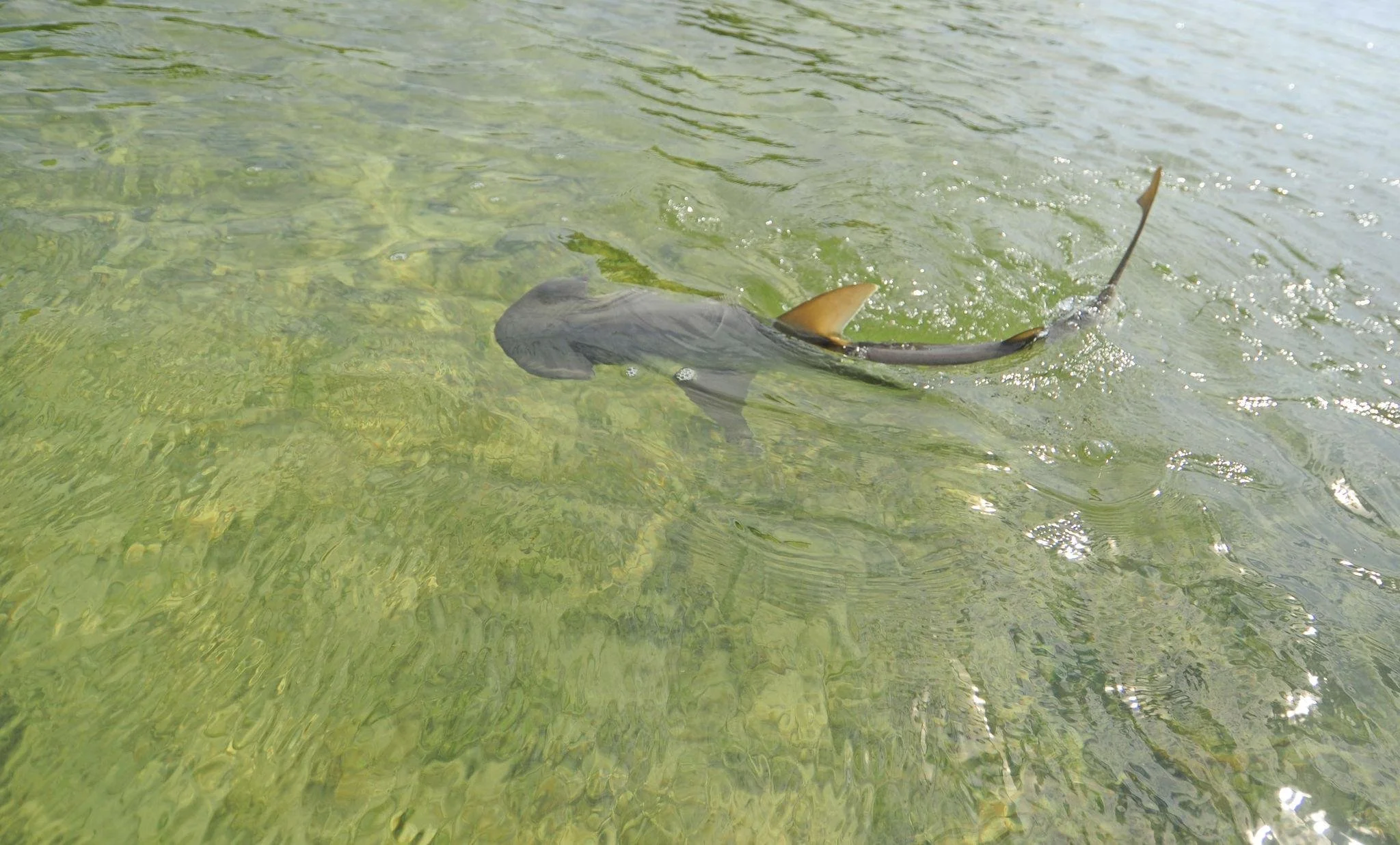
Bonnethead swimming above habitat
Why These Sharks Matter
Bonnetheads are more than just another coastal species.
They are indicators of ecosystem health.
Their biology is tightly linked to the environments they inhabit. Research has shown that bonnetheads rely heavily on visual cues in clear, shallow water, making them particularly sensitive to changes in water quality and turbidity.
When estuaries degrade, whether through runoff, coastal development, or habitat loss, it doesn’t just alter the landscape.
It changes how these sharks feed, navigate, and survive.
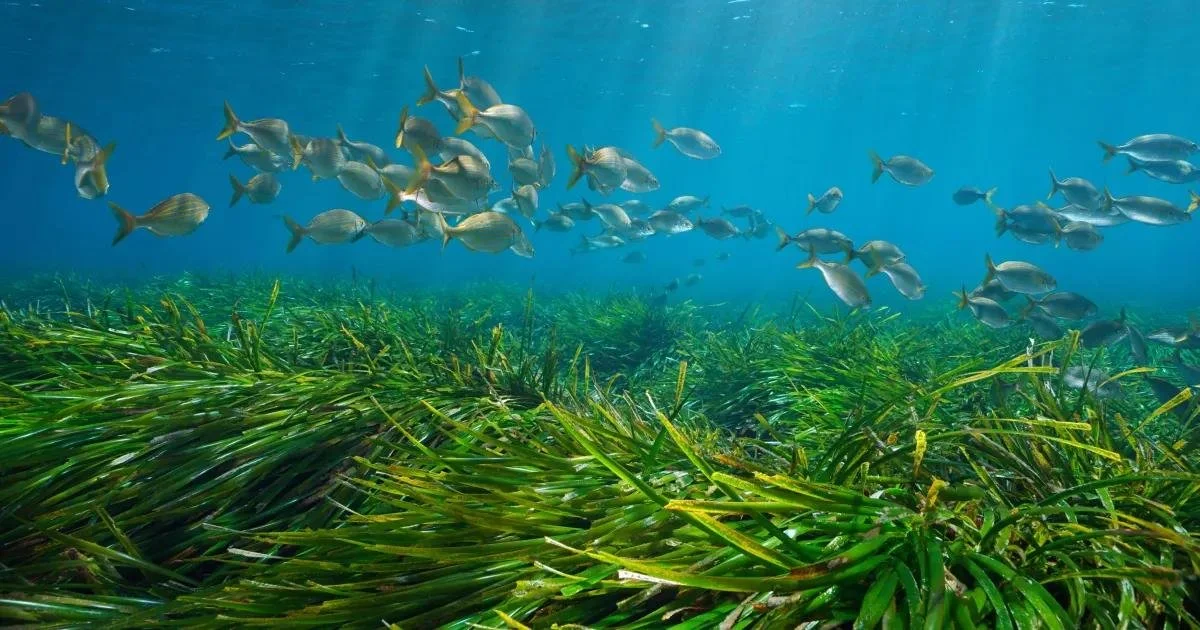
Seagrass meadows
Urban vs Natural Estuaries
Across Florida, estuarine systems exist along a spectrum.
Urbanized areas like Tampa Bay and Biscayne Bay face increasing pressure from development, boat traffic, and nutrient input.
More natural systems, like Cedar Key and the Ten Thousand Islands, provide a contrast, offering insight into what these habitats look like with less human impact.
Studying sharks across these environments allows us to ask a bigger question:
What does a “healthy” nursery habitat actually look like?
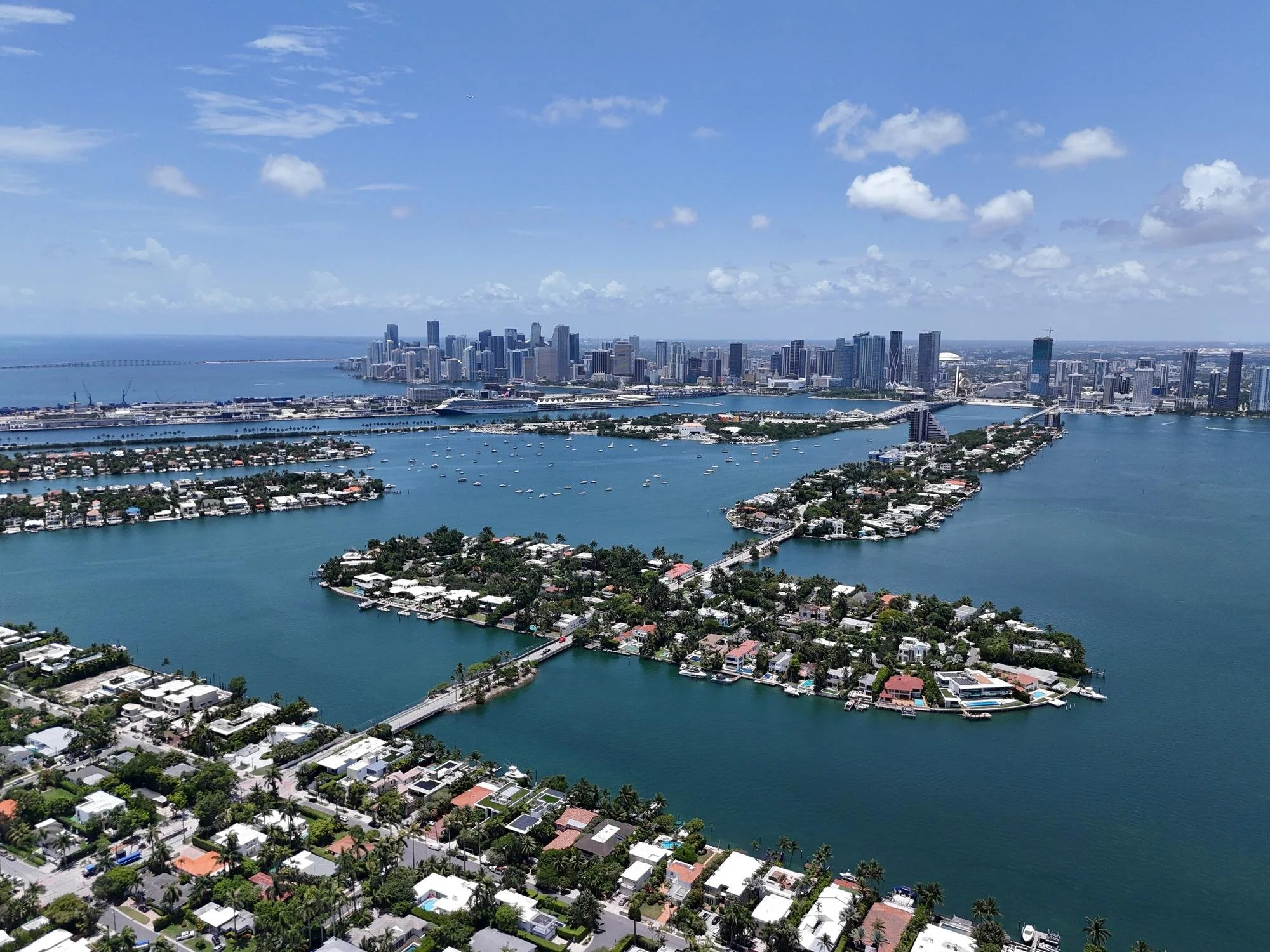
Aerial view of Miami skyline and waterfront islands over turquoise Biscayne Bay in sunny Florida, USA. g
From Field Data to Bigger Questions
Our current work uses body condition as a rapid, field-based proxy for shark health.
What we’re seeing so far is complex.
There’s no simple divide between “healthy” and “impacted” systems, which tells us something important:
Environmental stress doesn’t always show up in obvious ways.
And that’s exactly why this work matters.
Because it pushes us to go deeper.
To integrate physiology, habitat data, and long-term monitoring into a clearer understanding of how these ecosystems function.
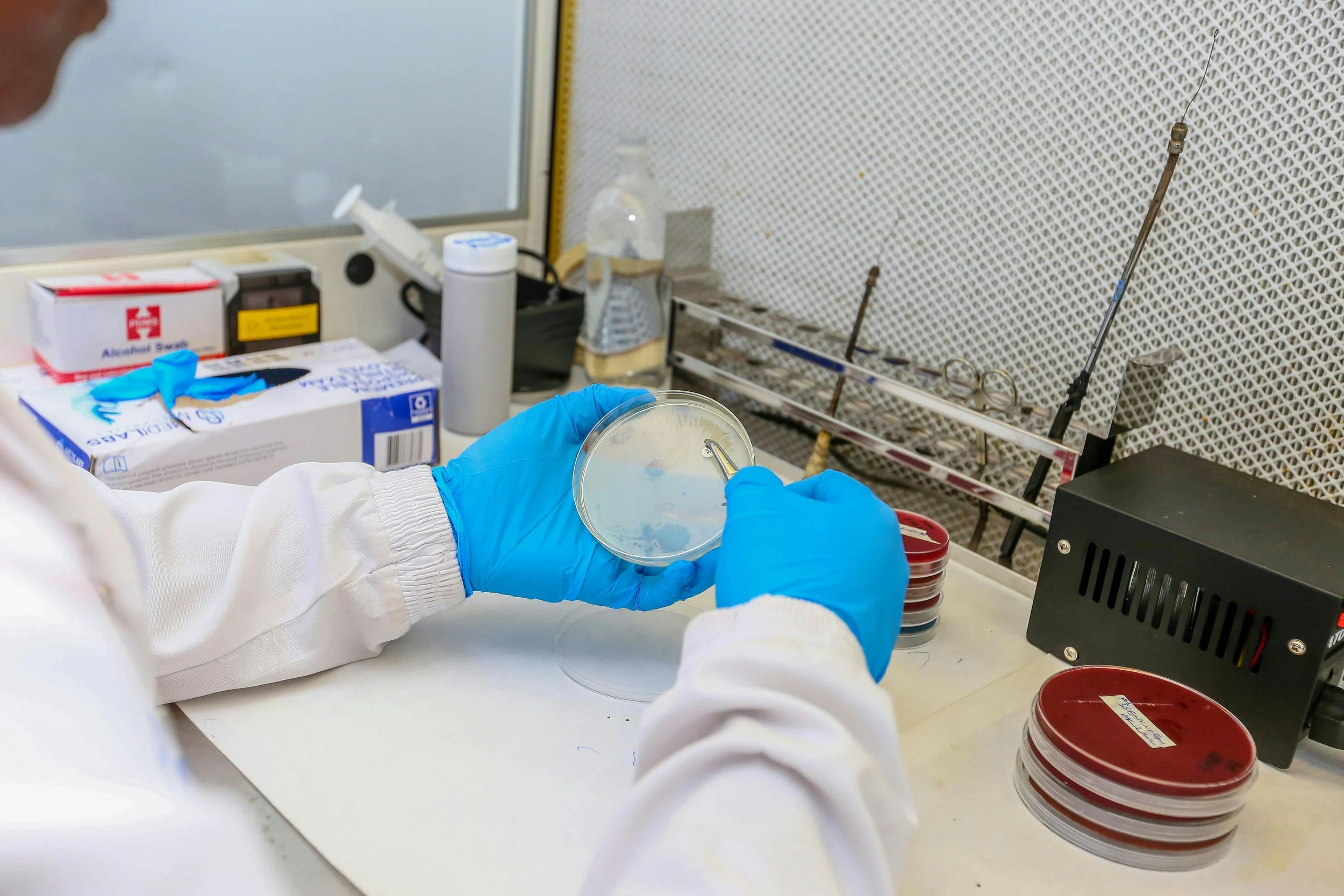
Biologist working with field samples
Where This Leads
This research is part of a larger goal.
Not just to understand sharks, but to understand what they tell us about the environments they depend on.
Because protecting sharks starts with protecting where they are born.
And that means translating science into something actionable.
Something that informs restoration, management, and policy decisions that shape the future of our coastlines.
Follow the Project
If you want to explore the research behind this work, you can dive deeper here!
Looking Ahead to Sri Lanka
Sharks International 2026 is more than a conference.
It’s a global checkpoint.
A place where science, conservation, and collaboration intersect.
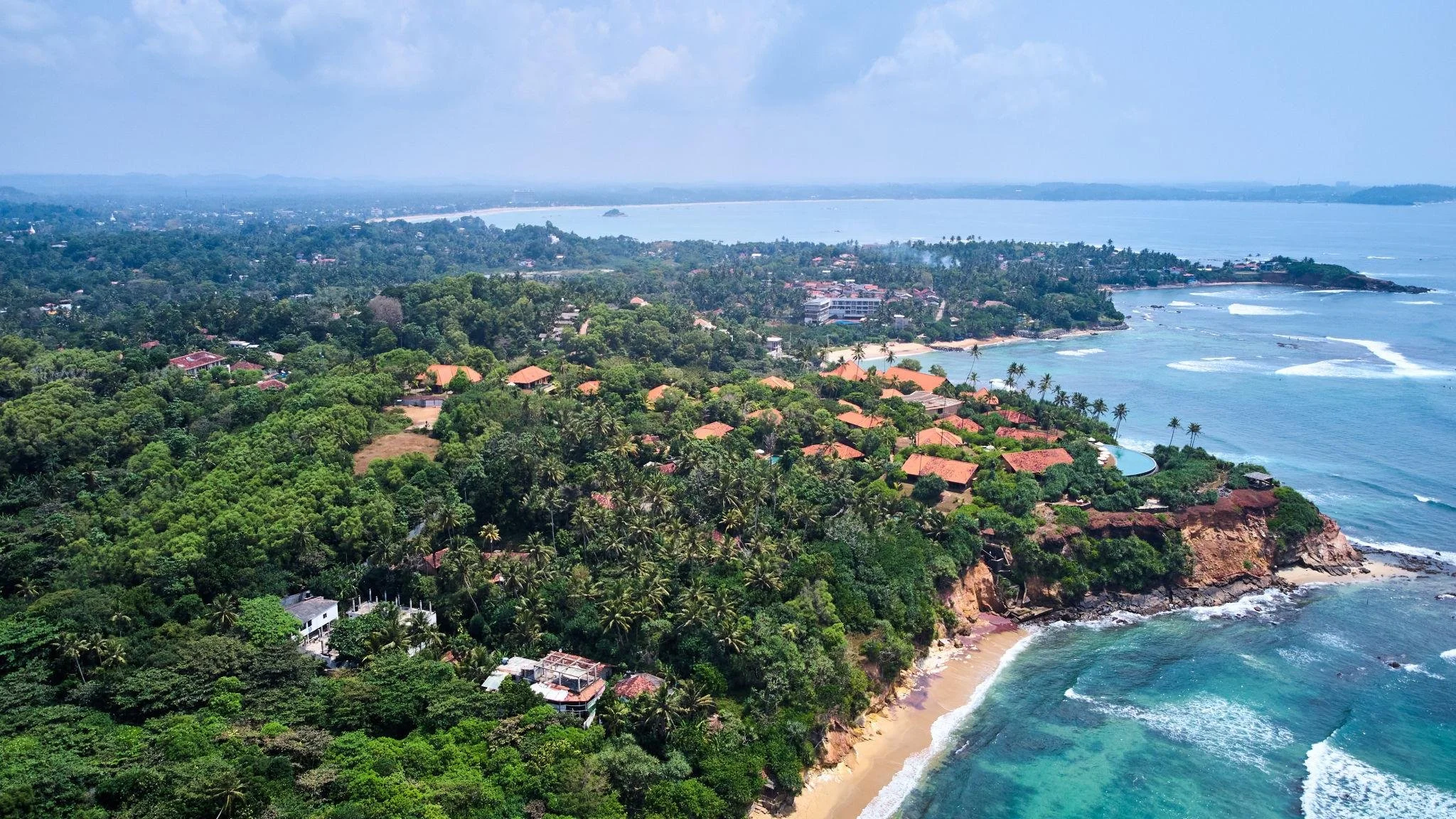
Sharks International 2026 will bring together researchers and conservation leaders from around the world.
We’re showing up not just to present findings, but to build something bigger.
To connect research, education, and conservation in a way that drives realimpact.
If you’ll be in Sri Lanka, come find us.
