

CITES CoP20: A Landmark Vote That Strengthens Global Protection for Wildlife

National Committee on Ecology of Uzbekistan
What Is CITES and Why Does It Matter?
Every two to three years, representatives from more than 180 countries gather for the Conference of the Parties to CITES. CITES stands for the Convention on International Trade in Endangered Species of Wild Fauna and Flora. It is a global agreement that regulates international trade in wildlife products to prevent species from being driven toward extinction.
CITES is powerful because it works where individual nations cannot. Many species cross borders, migrate through multiple countries, or are traded internationally. A species protected in one nation can still be overexploited elsewhere unless international law steps in. CITES fills that gap by creating uniform rules that every participating country must follow.
In a world where wildlife trafficking, overfishing, and luxury markets affect species across continents, CITES is one of the most important conservation tools we have.
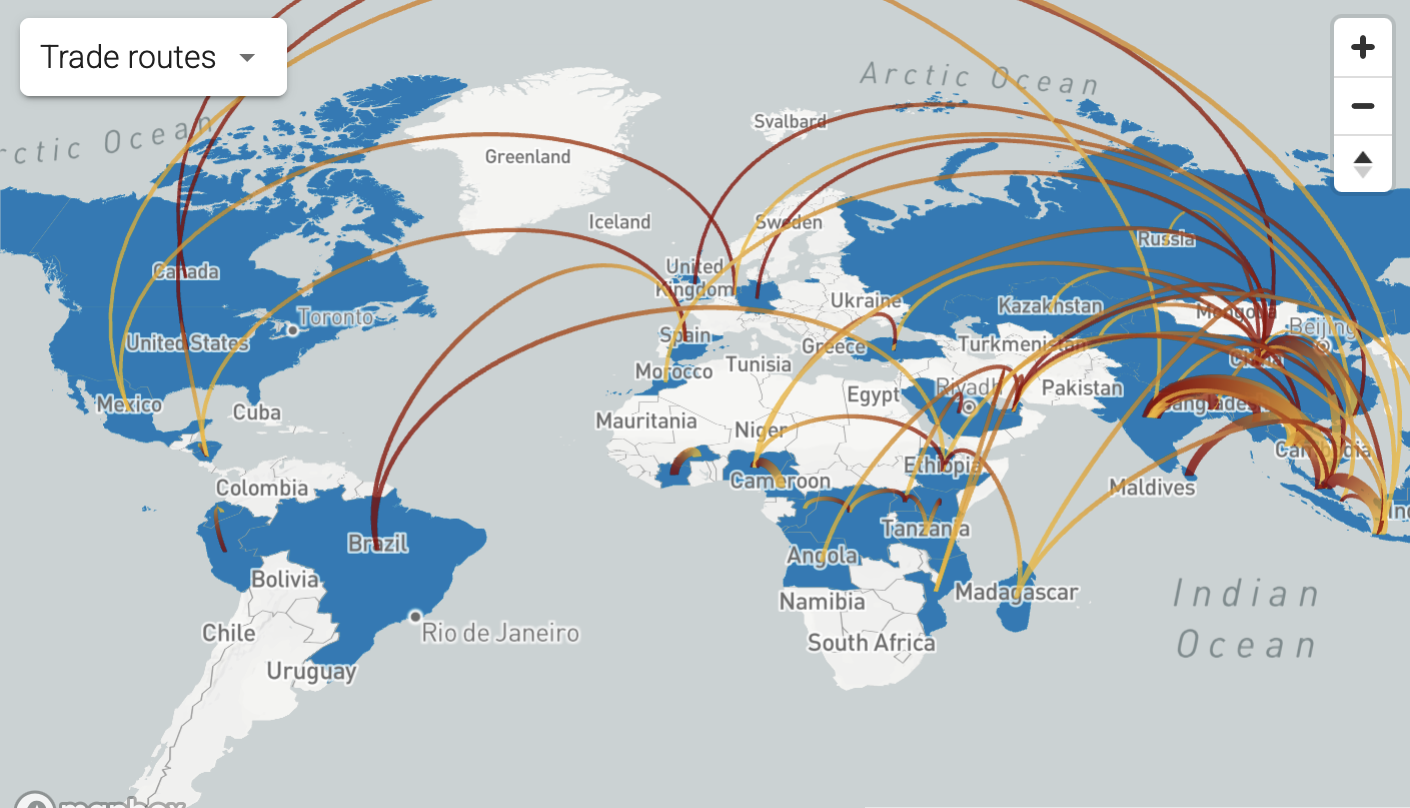
Wildlife trafficking trade routes
Understanding the Appendices
CITES classifies species into three appendices, each with a different level of protection:
Appendix I:
Species threatened with extinction. Commercial international trade is prohibited.
Appendix II:
Species not yet endangered, but trade must be controlled. International trade is allowed only with sustainable, legal export permits.
Appendix III:
Species protected within a single country requesting international support.
These listings are not symbolic. They determine which wildlife products can legally move through ports, how much monitoring is required, and what penalties apply when species are trafficked illegally.
What Happened at CITES CoP20 Yesterday
The day was packed with proposals, negotiations, and voting. Several species received upgraded protection based on scientific evidence of population decline, trafficking pressure, or unsustainable harvest.
Below is a breakdown of major decisions.
Species Moved to Appendix I
These species now receive the highest level of protection and can no longer be traded commercially across borders.
1. Shortfin Mako Shark (Isurus oxyrinchus) – North Atlantic population
• Critically overfished, slow to reproduce, and heavily targeted for meat and fins.
• Scientific models show this population may collapse without strict protection.
2. Hawksbill Sea Turtle (Eretmochelys imbricata) – Strengthened global confirmation under Appendix I
• Targeted for tortoiseshell and luxury goods.
• Illegal trade remains widespread despite prior restrictions.
3. Several African pangolin species
• The most trafficked mammals in the world.
• Poaching for scales and meat has pushed populations to crisis levels.
4. Multiple gecko and lizard species from Asia
• Rapidly declining due to the exotic pet trade.
• Vulnerable to illegal collection and international demand.
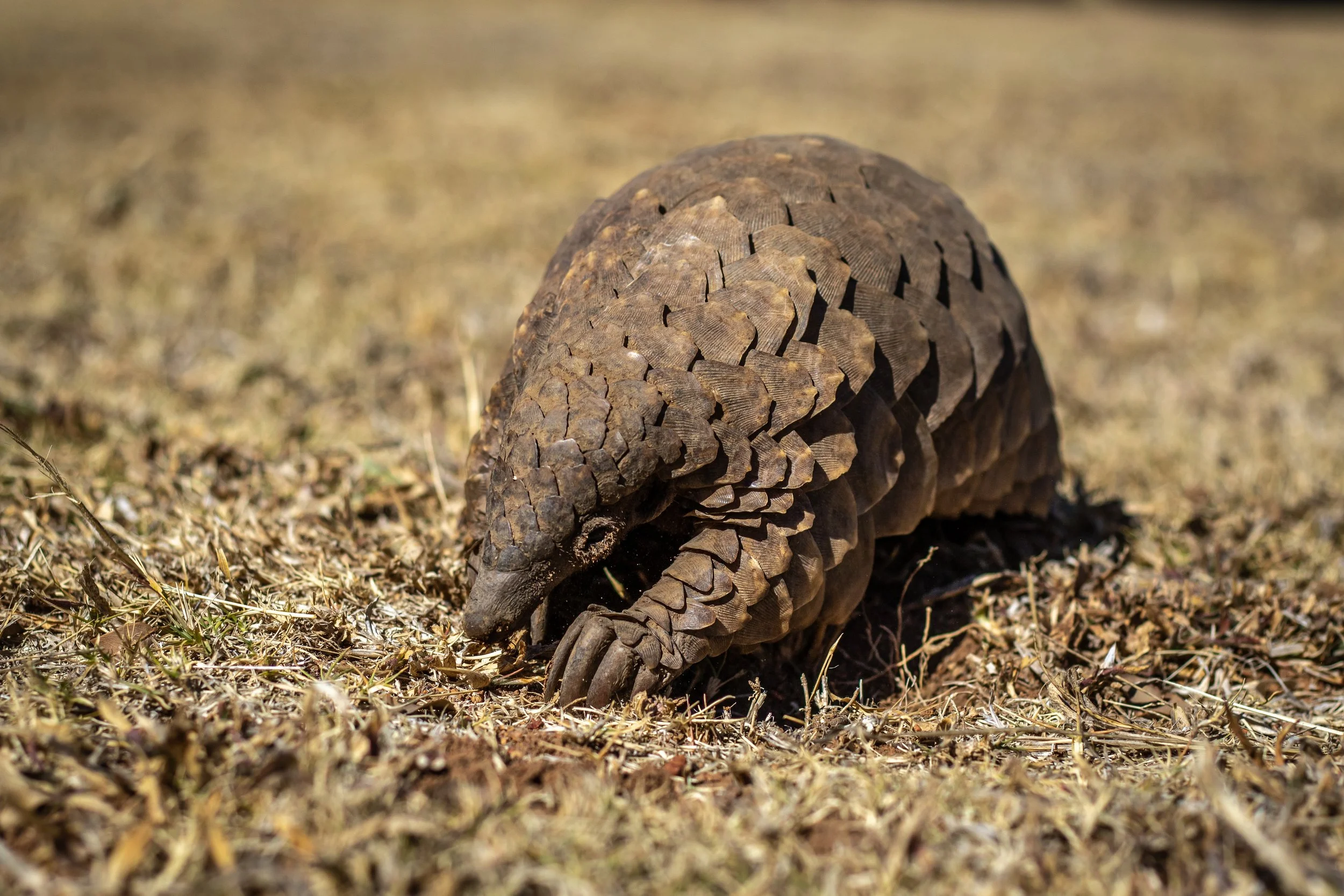
Pangolin
Species Added or Upgraded to Appendix II
These species now receive regulated, closely monitored international trade with sustainability requirements.
1. Mobula Rays (Mobula spp.) – Updated protection
• Targeted for their gill plates.
• Slow reproduction makes them highly vulnerable to overharvest.
2. Several coral species
• Impacted by climate stress, bleaching, and the aquarium trade.
• Appendix II ensures permits and traceability for exports.
3. Sea cucumbers (Holothuria spp.)
• Heavily exploited in Asian food markets.
• Overharvest has damaged coastal ecosystems.
4. Freshwater turtles and tortoises
• Demand for pets and traditional medicine threatens their survival.
• Appendix II introduces monitoring, quotas, and trade documentation.
5. Timber species including African rosewoods
• Illegal logging threatens forests and local communities.
• Appendix II reduces trafficking and supports sustainable management.
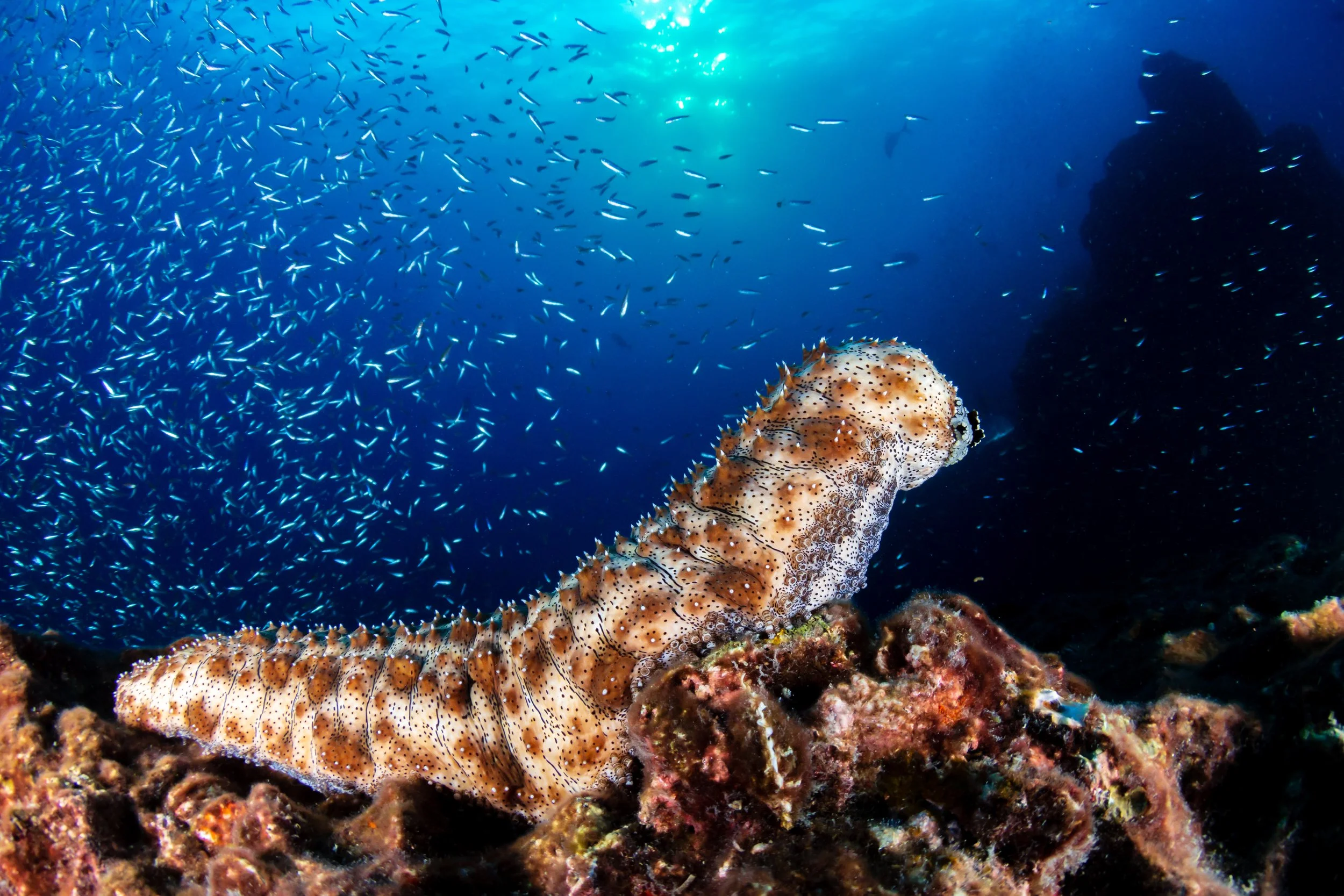
Sea cucumber on reef
Why These Changes Matter for Global Wildlife
1. Illegal Trade Becomes Much Harder
Appendix I listings trigger customs inspections, seizure protocols, and stricter penalties. Smuggling becomes riskier and more difficult.
2. Species Get Breathing Room
Removing commercial pressure gives populations a chance to stabilize and recover.
3. Conservation Data Improves
Appendix II countries must document exports, giving scientists new insight into harvest levels, population trends, and trade routes.
4. Local Communities Benefit
Sustainable trade requirements protect long-term economic value rather than short-term exploitation.
5. Marine Species Gain International Protection
For migratory species like mako sharks and mobula rays, national laws are not enough. These listings ensure protection across entire ocean basins.
How CITES Decisions Connect to Marine Conservation
For ocean species, CITES is invaluable. Many marine animals migrate across borders, making them impossible to protect with national laws alone. By managing international trade, CITES reduces pressure on populations that are already stressed by climate change, habitat loss, bycatch, and pollution.
This supports scientific work like ours at The Salty Lab. Stable populations mean better opportunities to study physiology, movement, stress, and ecosystem roles without watching species vanish faster than we can understand them.
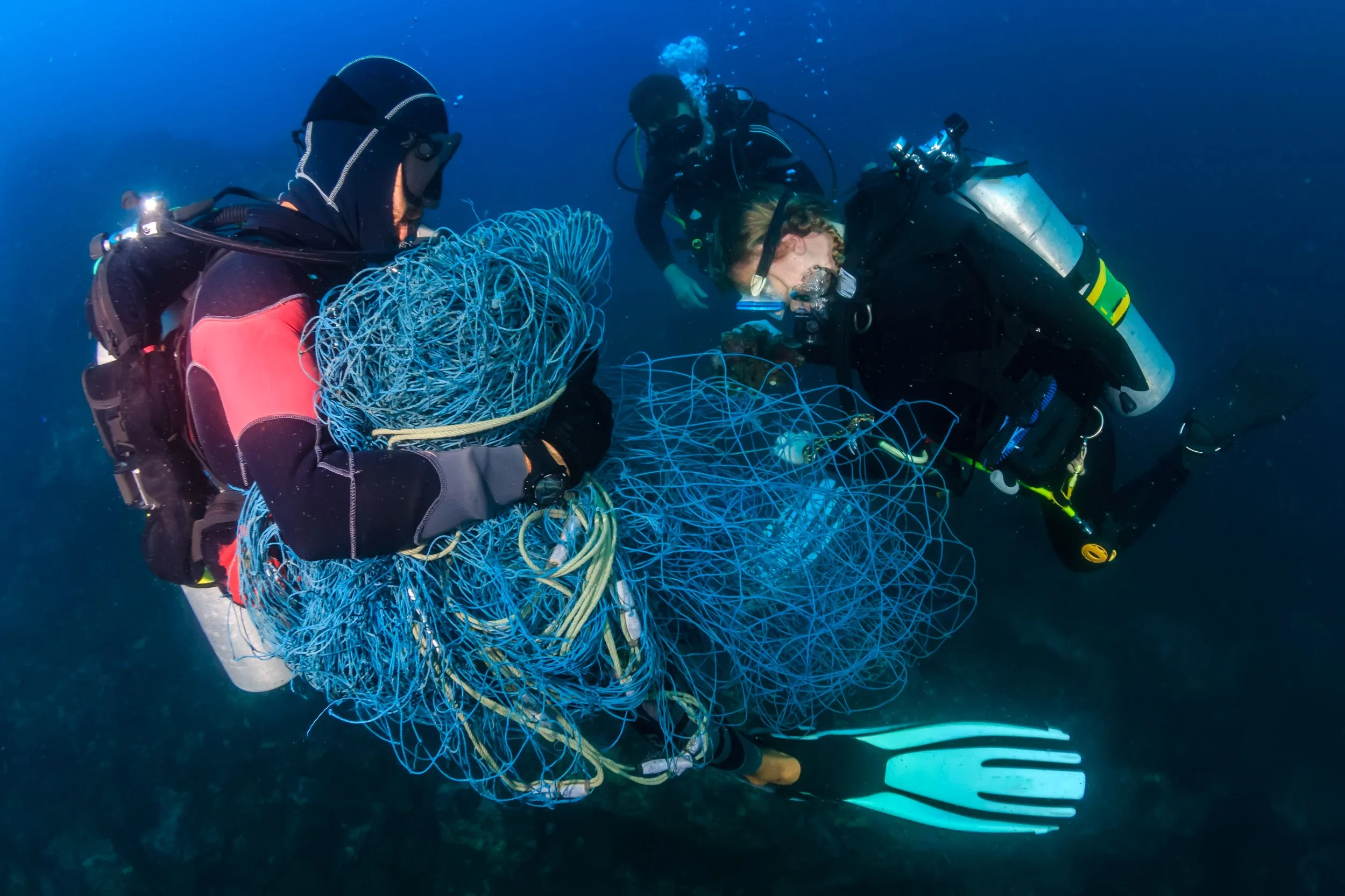
Scuba divers attempting to retrieve discarded nets
A Collective Win for Wildlife
The decisions made at CITES CoP20 represent a global shift toward stronger protection and responsible trade. While not every proposal passed, the upgrades to Appendices I and II are major steps forward.
These votes show that when science, policy, and international cooperation align, we can give vulnerable species a fighting chance.
Want to learn how The Salty Lab works at the intersection of research and conservation?
👉 Explore our projects and conservation gear to help support science that protects our ocean.
Sources & Further Reading
CITES Official Website
https://cites.org
Full CITES Appendices (Searchable Database)
https://cites.org/eng/app/appendices.php
UNEP-WCMC CITES Trade Database
https://trade.cites.org
IUCN Red List of Threatened Species
https://www.iucnredlist.org
Shortfin Mako Shark IUCN Profile
https://www.iucnredlist.org/species/39341/2903170
IUCN SSC Pangolin Specialist Group
https://www.pangolinsg.org
TRAFFIC: Wildlife Trade Monitoring Network
https://www.traffic.org
Marine Megafauna Foundation (Mobula Rays Info)
https://www.marinemegafaunafoundation.org
NOAA Fisheries: International and Trade Regulations
https://www.fisheries.noaa.gov/international
WWF: CITES Overview and Wildlife Trade Information
https://www.worldwildlife.org/initiatives/wildlife-trade
FAO Fisheries & Aquaculture
https://www.fao.org/fishery/en
